

Submitted by: AICA Level2 Batch02
AKHIL PACHORI, 437858; ASHISH SACHDEVA, 436603; AMIT RAGHAV, 538470
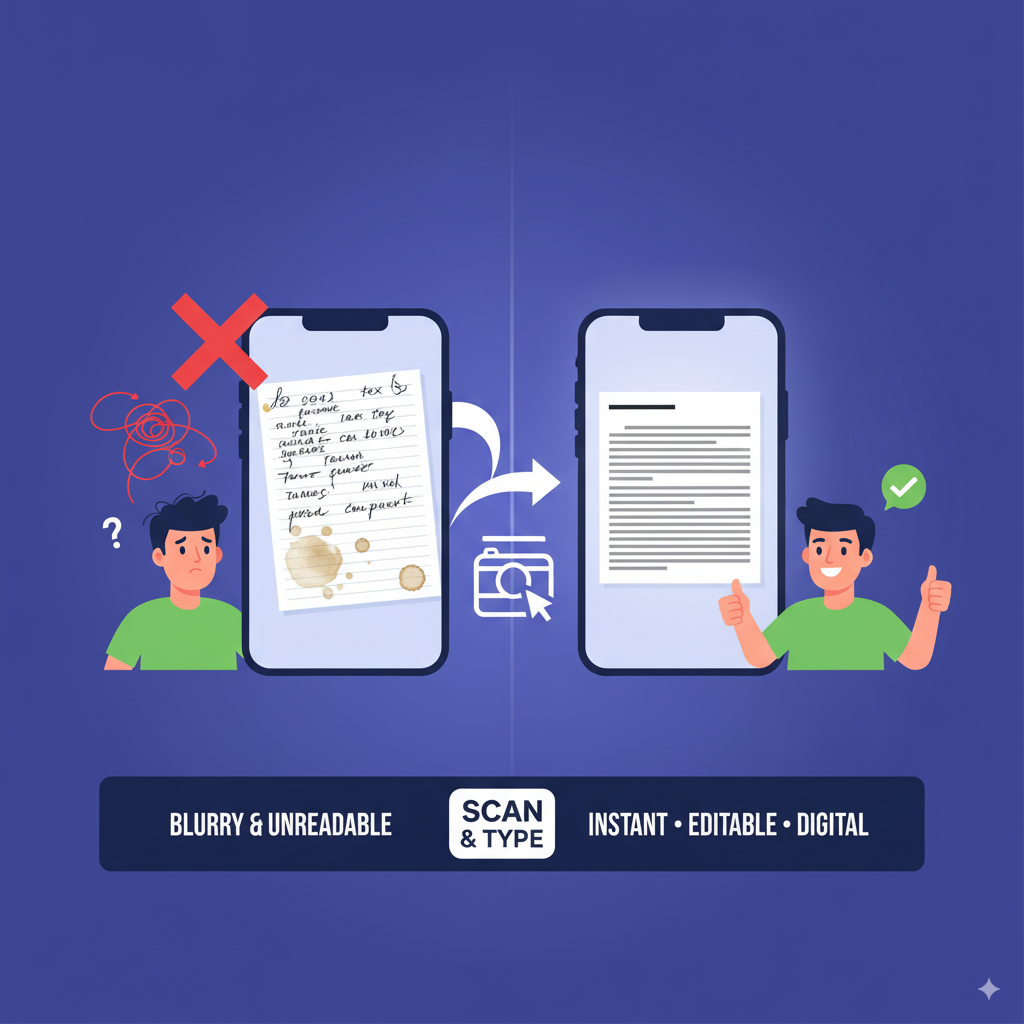
APP THAT EXTRACTS THE TEXT FROM AN IMAGE TO TEXT GENERATOR
## Project Description:
We, the undersigned participants of the AICA Level 2 Certificate Course Group Project, hereby declare that the project submitted by us is our original work. We further acknowledge and agree that upon submission, the project shall become the property of The Institute of Chartered Accountants of India (ICAI). We grant full consent to ICAI and AI in ICAI to publish the project, in whole or in part, on its website or any other platform for the purposes of knowledge sharing, reference, or any other usage deemed appropriate by ICAI, for the benefit of members and stakeholders.
Introduction
This project has been prepared as part of the AICA Level 2 Certificate Course, focusing on applying advanced artificial intelligence concepts to practical scenarios within the accounting, auditing, taxation, and financial environments. It aims to bridge theoretical concepts with real-world applicability, demonstrating how AI can support professionals in improving accuracy, efficiency, and decision-making.
Problem Statement
Despite advancements in technology, several processes in the accounting and finance domain continue to rely on manual intervention, leading to delays, inconsistencies, and increased workload. The identified problem centers around the need for an AI-enabled solution that can automate key steps, reduce errors, support better analysis, or enhance service delivery for professionals and stakeholders.
Objectives
- To evaluate the current challenges and limitations in the selected problem area.
- To design an AI-based model or workflow that addresses the identified gaps.
- To implement the proposed solution using appropriate tools, datasets, and technologies.
- To assess the performance and effectiveness of the model through measurable metrics.
- To contribute to ICAI’s initiative of enhancing AI literacy among members through practical, innovative use cases.
Technology Used
- Programming & Scripting: Python, R (as applicable)
- AI/ML Libraries: Scikit-Learn, TensorFlow, PyTorch
- Data Handling: Pandas, NumPy, Excel, SQL databases
- Visualization Tools: Power BI, Matplotlib, Seaborn
- AI Platforms: GPT models, cloud-based AI services
- Other Tools: IDEs, documentation tools, automation frameworks
(You may update this section based on what your group actually used.)
Methodology
- Identification of Problem Area: Understanding the domain requirements and defining the scope.
- Data Collection: Gathering relevant data from internal or publicly available sources.
- Data Pre-Processing: Cleaning, transforming, normalizing, and preparing data for modeling.
- Model Selection & Development: Choosing suitable algorithms or AI techniques and building the model.
- Training & Validation: Running the model on training data and validating outputs using appropriate metrics.
- Solution Deployment Framework: Outlining how the model can be integrated into professional practice.
- Documentation & Review: Preparing the final report and ensuring compliance with ICAI’s academic standards.
Expected Outcomes
- Reduction in manual effort and increased process efficiency.
- Improved accuracy and decision-making through data-driven insights.
- Applicability of AI in real professional workflows.
- A usable framework or prototype that can be scaled further.
- Contribution to ICAI’s knowledge repository for future learning and reference.
Conclusion
The project successfully demonstrates how artificial intelligence can be integrated into accounting and finance workflows to enhance productivity and strengthen analytical capabilities. It reflects the growing relevance of AI for professionals and aligns with ICAI’s vision of empowering the accounting community through technology. The insights, approach, and solution framework contribute meaningfully to ongoing learning and innovation within the profession