AI Revolutionizes Document Consumption
In a major step forward for document automation and accessibility, new artificial intelligence tools now enable users to transform conventional PDFs into dynamic content formats — including audio podcasts and visual presentations. These features are part of an expanding suite of AI-powered capabilities designed to make content more interactive, intuitive, and accessible.
This evolution blends generative AI with productivity workflows, helping users bypass traditional manual editing or summarization steps. Instead of scrolling through lengthy text, individuals can now listen to summaries on the go or automatically generate structured slide decks from dense documents.
From Static PDF to Engaging Podcast
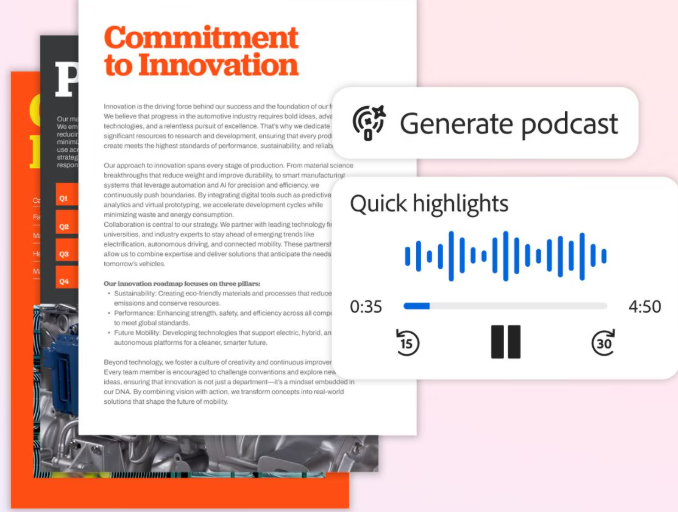
One of the standout innovations is the ability to automatically convert documents into podcast-style audio summaries. By analyzing the text content, AI generates spoken audio that presents key insights, making it easier to digest reports, research papers, meeting notes, and transcripts without reading every page.
Users can select different listening formats — such as highlight summaries for quick overviews or deep-dive modes for more detailed narration — and control playback options like speed and transcript visibility. This helps busy professionals and students keep up with essential content during commutes, workouts, or multitasking moments.
AI-Generated Presentations: From Text to Slides
In addition to audio conversion, AI now powers presentation generation directly from documents. Users can upload one or multiple PDFs and instruct the AI to identify the most important points, outline structure, and craft a complete slide deck.
This feature includes:
- Automatic outline creation based on document content
- Professional templates and design styles
- Customizable layouts and tone preferences
The result is a ready-to-edit presentation that significantly reduces the manual effort required to prepare slides — especially valuable for business reports, academic assignments, and stakeholder presentations.
Natural Language PDF Editing: Chat-Style Interaction
Beyond content conversion, AI is also enhancing how users edit PDFs using natural language. Instead of navigating menus and tools, people can type simple instructions — such as “remove this paragraph,” “add a title here,” or “highlight key terms” — and let the AI perform the requested changes.
This “edit with prompts” approach reduces the friction of traditional PDF workflows and supports tasks like redaction, formatting tweaks, and content updates — improving productivity for all kinds of document users.
Collaboration and Enhanced Productivity Features
AI-enhanced collaboration is another key advancement. Shared workspaces now help teams:
- Organize documents in one place
- Leave comments or feedback
- Work together on summaries, edits, or content creation
These intelligent collaboration tools streamline team workflows and communication around complex files, helping groups stay aligned and productive.
Context: Broader AI Trends in Document Tools
The integration of generative AI into PDF tools reflects a larger industry trend. Companies are increasingly embedding AI chat assistants, context-aware automation, and multimedia conversion engines into everyday software — aiming to redefine how people create, consume, and interact with digital information.
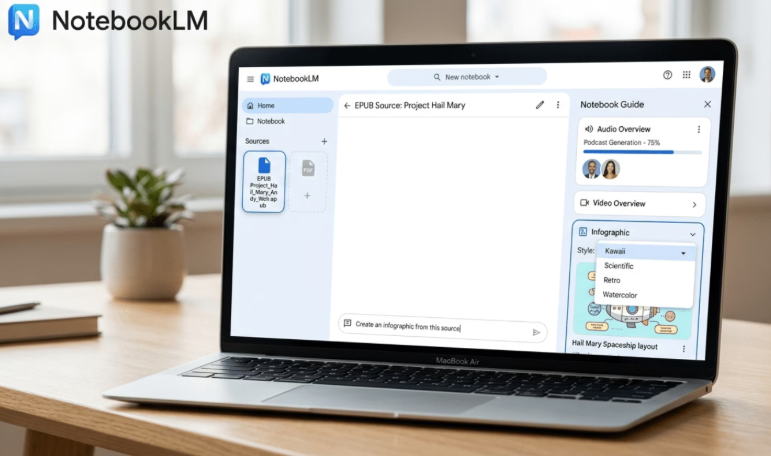
Similar innovations elsewhere — such as Google’s AI audio summaries for document overviews — confirm that document intelligence and accessibility are priorities across platforms.
Why This Matters for Users
The rise of AI-driven document transformation tools offers several practical benefits:
- Enhanced accessibility — allowing content to be consumed audibly or visually
- Greater efficiency — reducing time spent reading or manually creating presentations
- Improved collaboration — centralizing teamwork within intelligent workspaces
- Productivity gains — reducing repetitive editing work through natural language instructions
These capabilities are particularly useful for knowledge workers, educators, students, and professionals who deal with large volumes of text and need faster ways to extract meaning and share insights.
Conclusion
The latest wave of AI enhancements marks a notable shift in how digital documents are handled in 2026. By transforming static PDFs into podcasts, presentations, and edit-ready content through natural language, these tools reflect the growing influence of generative AI in productivity workflows. As artificial intelligence continues to evolve, the gap between content creation and content consumption keeps shrinking — opening new possibilities for how we work, learn, and communicate.
Source: indianexpressGPT.