AI & Technology
AI Articles
AI Adoption in India: Economic Evolution or Employment Erosion?
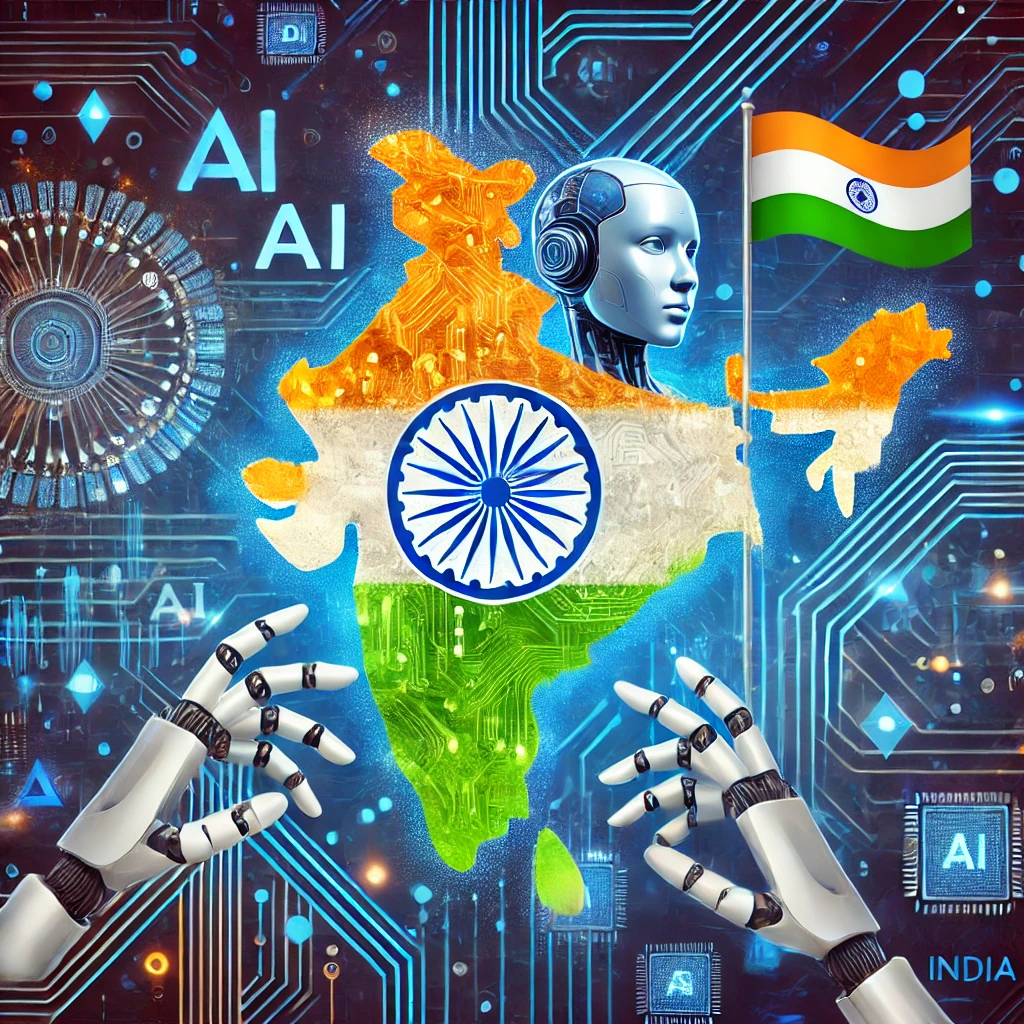
The rise of artificial intelligence (AI) in India is driving transformative changes across various economic sectors, including finance, IT services, and healthcare. This comprehensive article investigates the dual impact of AI on economic activities and employment, exploring both the potential for enhanced productivity and the concerns of job displacement. Drawing on reports from NITI Aayog, McKinsey Global Institute, and Stanford University, it examines the balance between technological advancement and workforce sustainability.
Introduction: The AI Revolution in India
Artificial intelligence (AI) has rapidly become a cornerstone of technological advancement, influencing a wide array of sectors. With the advent of sophisticated models like ChatGPT, AI's applications have expanded beyond everyday activities to reshape industries such as finance, telecom, scientific research, and education. This article delves into the profound impact of AI on India's economic landscape, highlighting both its transformative potential and the associated challenges.
AI's Expanding Role Across Sectors
AI's integration into various sectors has been notable, particularly in enhancing efficiency and productivity. From personalized customer experiences to advanced fraud detection and risk management, AI applications are revolutionizing traditional business practices. Reports from McKinsey & Company and the International Data Corporation highlight a significant growth trajectory for AI, with India's AI market expected to grow from $3.1 billion in 2020 to $7.8 billion by 2025, reflecting a compound annual growth rate of 20.2 percent.
Balancing Economic Growth and Employment Concerns
While AI promises substantial economic benefits, it also raises concerns about employment. The World Economic Forum predicts that by 2025, AI could displace approximately 75 million jobs globally, while simultaneously creating around 133 million new roles. In India, this dual impact necessitates a reevaluation of workforce skills and job roles, emphasizing the importance of reskilling and adapting to an AI-centric economy.
Sectoral Insights: Leading the AI Adoption
IT Services and Financial Services: The IT services sector leads AI adoption in India, with a 51.8% integration rate, followed by financial services at 20%. AI tools such as chatbots have become prevalent in banking, enhancing customer experiences and operational efficiency. These sectors exemplify how AI can drive productivity and innovation while highlighting the need for workforce adaptation.
Healthcare and Telecommunications: AI's role in healthcare is transformative, from diagnostics to personalized treatment plans. However, sectors like construction and telecommunications exhibit lower AI integration, indicating an uneven distribution of AI adoption across different industries.
Driving Factors Behind AI Adoption
Several key factors influence AI adoption in India, particularly within the financial sector. The Indian FS AI Adoption Survey 2021 identifies enhancements in customer experiences, improved productivity, revenue growth, and reduced operational costs as primary drivers. The ability of AI to reduce costs and increase efficiency is a significant motivator for its adoption, particularly in a competitive market.
Theoretical Frameworks and Economic Implications
Structural Transformation: AI's penetration into various sectors signifies a structural transformation, altering traditional business practices and enhancing productivity. This dynamic shift underscores the need for a skilled workforce capable of leveraging AI technologies.
Innovation and Productivity: AI's potential to optimize productivity is evident in dominant sectors like IT, telecom, banking, and healthcare. Reports from NITI Aayog and McKinsey & Company advocate for AI's role in revolutionizing these industries, emphasizing the importance of innovation.
Social and Economic Equity: Ensuring equitable distribution of AI benefits is crucial. Policymakers must address the ethical implications of AI adoption, focusing on comprehensive regulatory frameworks that balance technological progress with workforce sustainability.
Challenges and Future Outlook
The rapid evolution of AI technologies poses challenges, particularly regarding job displacement and workforce restructuring. While AI adoption is poised to boost productivity and consumer experiences, it also necessitates proactive measures to mitigate its adverse effects on employment. Reports from the McKinsey Global Institute and the Indian FS AI Adoption Survey emphasize the need for upskilling initiatives and comprehensive policy frameworks to align the workforce with an AI-driven economy.
Conclusion: Navigating the AI-Driven Future
As India stands at the cusp of a technological revolution, the integration of AI across various sectors presents both opportunities and challenges. Balancing AI's transformative potential with workforce sustainability is essential for ensuring an inclusive, technologically empowered future. By embracing innovation, reskilling the workforce, and implementing effective policies, India can harness AI's benefits while mitigating its impact on employment, steering the nation towards a prosperous and equitable technological future.
This detailed exploration of AI adoption in India underscores the need for a balanced approach to harnessing technological advancements while safeguarding workforce interests. As AI continues to reshape the economic landscape, India must navigate these changes with strategic foresight and a commitment to inclusive growth.
Source: India ai | Chat GPT