AI Sector's Exponential Growth in India
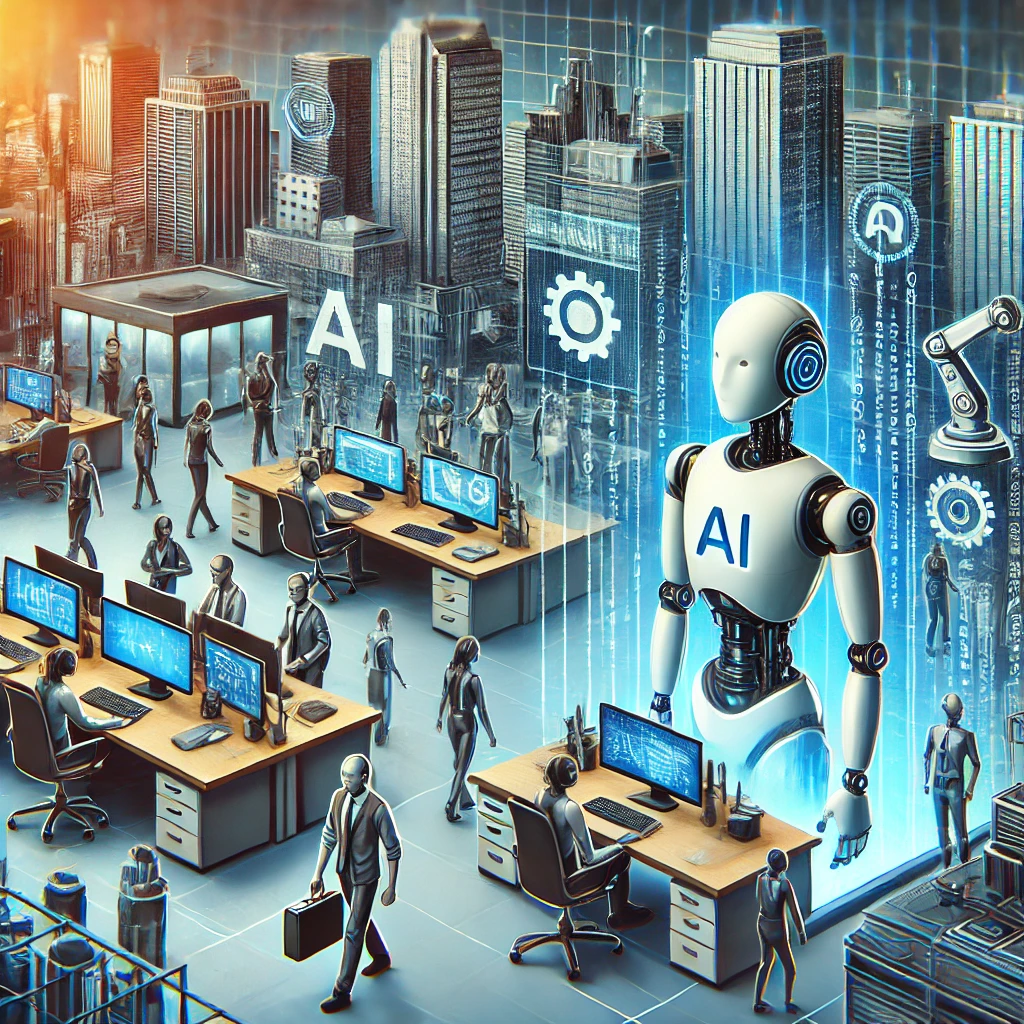
The artificial intelligence industry in India is experiencing unprecedented expansion. A recent report by Bain & Company highlights that AI-related job postings have surged by 21% annually since 2019, accompanied by an 11% yearly increase in compensation for these roles. This surge reflects the escalating integration of AI across various sectors, including healthcare, finance, and education.
Projected Talent Shortfall
Despite the burgeoning demand, the supply of qualified AI professionals is lagging. Bain & Company's study forecasts that by 2027, India will have approximately 1.2 million AI professionals, leaving a gap of over one million positions unfilled. This disparity poses a significant challenge to sustaining the momentum of AI adoption and innovation within the country.
Global Perspective on AI Talent Gaps
India's predicament is part of a broader global trend. The United States, for instance, may see half of its AI positions unfilled by 2027, with an anticipated demand exceeding 1.3 million jobs against a supply of fewer than 645,000 professionals. Germany could face an even starker scenario, with projections indicating that up to 70% of AI roles might remain vacant by 2027. These statistics highlight a worldwide urgency to address the AI talent shortage.
Barriers to AI Implementation
The talent deficit is a critical barrier to AI implementation. The report reveals that 44% of executives identify the lack of in-house AI expertise as a primary obstacle to adopting generative AI technologies. Other concerns include data security and privacy (38%), unorganized company data (32%), and uncertain returns on investment (29%). These challenges collectively hinder the pace at which businesses can integrate AI solutions.
Strategies to Bridge the Talent Gap
Addressing this talent gap requires a multifaceted approach:
- Reskilling and Upskilling: Emphasizing continuous learning to equip the existing workforce with emerging AI competencies.
- Educational Reforms: Integrating AI and machine learning curricula into academic institutions to prepare future professionals.
- Industry-Academia Collaboration: Fostering partnerships between businesses and educational entities to align training programs with industry needs.
- Global Talent Acquisition: Attracting international AI experts to supplement domestic capabilities.
Conclusion
India stands at a pivotal juncture in its AI journey. The projected job openings present a remarkable opportunity for economic advancement. However, realizing this potential hinges on effectively bridging the talent gap through strategic initiatives focused on education, training, and collaboration. Proactive measures taken today will determine India's position in the global AI arena tomorrow.
Source: indianexpress/ Chat GPT