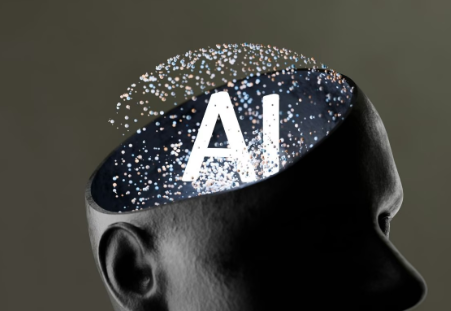
The Rise of AI as a Primary Interaction Medium
In recent years, AI has transitioned from a backend technology to a front-facing interface for everyday decision-making. From answering professional queries to providing emotional guidance, AI tools are increasingly becoming the first point of contact for users.
A growing number of individuals now prefer interacting with AI systems over colleagues or peers, especially in situations involving hesitation, social anxiety, or fear of judgment. This shift highlights a subtle yet significant behavioral transformation—where digital interaction is perceived as safer, faster, and more controlled.
Keywords: AI chatbots, digital communication, conversational AI, human-AI interaction
From Productivity Tool to Emotional Companion
Originally designed to enhance productivity, AI systems have expanded into deeply personal domains. Users now rely on AI not only for information but also for emotional processing, conversation rehearsal, and decision support.
Research indicates that nearly half of users engaging with advanced AI models utilize them for mental health-related support.
These systems simulate empathy, provide non-judgmental responses, and maintain conversational continuity—qualities that make them appealing substitutes for human interaction.
This evolution signals the emergence of “emotional AI”, where machines play roles traditionally reserved for friends, mentors, or therapists.
Keywords: emotional AI, mental health technology, AI companionship, digital empathy
Why People Are Turning to AI Instead of Humans
Several factors explain the increasing preference for AI-mediated communication:
- Non-judgmental environment: Users can express thoughts freely without fear of criticism
- Instant availability: AI offers 24/7 accessibility without delays
- Controlled interaction: Conversations can be paused, edited, or restarted
- Personalization: AI adapts responses based on user behavior and history
For individuals facing workplace pressure or social discomfort, AI serves as a low-risk alternative for communication and learning.
Keywords: AI personalization, workplace AI tools, digital comfort zone
The Psychological and Social Implications
While the benefits of AI-driven interaction are substantial, experts highlight potential concerns:
1. Reduced Human Engagement
Frequent reliance on AI may lead to avoidance of real-life interactions, potentially weakening interpersonal skills and reducing social confidence.
2. Emotional Dependency on Machines
As AI systems simulate empathy, users may develop emotional attachments, sometimes perceiving them as genuine companions.
3. Reinforcement of Isolation
Instead of addressing loneliness, AI could inadvertently reinforce it by replacing human contact rather than supplementing it.
These concerns are prompting psychologists and technologists to examine how AI influences long-term human behavior and societal structures.
Keywords: AI ethics, human behavior change, digital isolation, social impact of AI
AI in the Workplace and Daily Decision-Making
AI is no longer limited to personal use—it is deeply embedded in professional environments. Employees increasingly use AI tools to:
- Clarify doubts without asking colleagues
- Draft communications and presentations
- Simulate discussions before meetings
- Make data-driven decisions
This trend is improving efficiency but also subtly altering workplace collaboration dynamics, where human-to-human interaction may decline in favor of machine-assisted workflows.
Keywords: AI in workplace, automation, productivity tools, future of work
The Broader Shift: Entering the “Intelligent Age”
The rise of AI marks a broader societal transition often described as the “Intelligent Age”, where human and machine intelligence are deeply intertwined.
This transformation extends beyond communication, influencing how decisions are made, how value is created, and how relationships are formed. AI is evolving from a passive tool to an active participant in human life—guiding choices, shaping opinions, and even influencing emotions.
Keywords: Intelligent Age, AI transformation, digital society, human-machine collaboration
Balancing Innovation with Human Connection
As AI continues to evolve, the central challenge lies in maintaining a balance between technological advancement and human connection.
Experts emphasize the need for:
- Responsible AI design that encourages healthy usage patterns
- Digital literacy to help users understand AI limitations
- Human-centric policies to preserve social interaction
- Ethical frameworks to guide emotional AI development
The goal is not to replace human relationships but to enhance them—ensuring that AI acts as a complement rather than a substitute.
Keywords: responsible AI, AI governance, ethical AI, digital wellbeing
Conclusion
Artificial Intelligence is undeniably reshaping the way people connect, communicate, and relate to one another. While it offers unprecedented convenience and support, it also raises critical questions about the future of human interaction. As society navigates this transformation, the focus must remain on leveraging AI to strengthen—not diminish—the essence of human connection.
Source:indianexpressGPT.