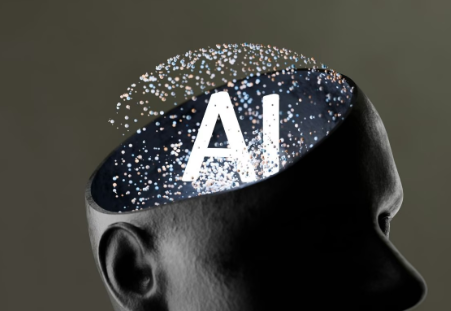
A New Era of AI-Powered Search Interaction
Artificial Intelligence is rapidly transforming the digital search landscape, moving beyond static keyword queries toward real-time conversational AI search experiences. The latest advancements introduce features that allow users to engage with search engines using voice commands and visual inputs, enabling a more natural and intuitive interaction model.
This shift represents a broader trend in generative AI, multimodal AI systems, and conversational interfaces, where users can ask complex, contextual questions and receive immediate, intelligent responses. Instead of typing fragmented queries, individuals can now interact with search platforms as if they were having a conversation, significantly enhancing usability and engagement.
Global Expansion and Real-Time Capabilities
Recent developments indicate that AI-driven search features are being rolled out across more than 200 countries and territories, making them accessible on a truly global scale.
These capabilities include:
- Real-time conversational search using voice
- Camera-based query processing for visual recognition
- Context-aware responses with relevant web links and insights
Users can point their smartphone camera at an object and ask questions in real time—such as identifying items, understanding processes, or troubleshooting issues—while receiving spoken or visual responses.
This evolution is powered by advanced AI models designed for faster response times, multilingual understanding, and natural language processing (NLP), making interactions seamless and human-like.
Strengthening Multilingual AI: Focus on Indian Languages
A key highlight of this transformation is the expansion of AI search capabilities into multiple Indian languages, reflecting the importance of linguistic diversity in digital ecosystems.
Support has been extended to languages such as:
- Bengali
- Kannada
- Malayalam
- Marathi
- Tamil
- Telugu
- Urdu
This move significantly enhances digital inclusivity, regional accessibility, and vernacular AI adoption, enabling millions of users to access information in their native languages. It also aligns with the broader trend of localization in AI technologies, which is crucial for emerging digital economies like India.
From Search Engine to Intelligent Assistant
The evolution of search platforms into AI-powered assistants marks a paradigm shift in information retrieval. Traditional search engines relied on keyword matching and static results, whereas modern AI systems emphasize:
- Contextual understanding of queries
- Interactive dialogue-based responses
- Integration of visual and audio inputs
- Personalized and adaptive learning
This transition is supported by advancements in large language models (LLMs), multimodal AI, and real-time data processing, enabling systems to interpret complex queries and provide actionable insights instantly.
Implications for Users and Digital Ecosystems
The rise of AI-powered search technologies has far-reaching implications across industries and user segments:
1. Enhanced User Experience
Users benefit from faster, more intuitive, and interactive search journeys, reducing the need for multiple queries and manual filtering.
2. Growth of Voice and Visual Search
The integration of voice and camera capabilities accelerates the adoption of voice search SEO, visual search optimization, and AI-driven content discovery.
3. Digital Inclusion and Accessibility
Multilingual support ensures that non-English speakers and regional users can fully participate in the digital economy, bridging the digital divide.
4. Transformation of Content and SEO Strategies
Content creators and businesses must adapt to AI-first search algorithms, focusing on:
- Conversational content
- Semantic relevance
- Context-rich information
- Multilingual SEO strategies
The Road Ahead: Intelligent, Immersive, and Inclusive AI
As AI continues to evolve, the future of search lies in hyper-personalized, predictive, and immersive experiences. The convergence of AI, machine learning, augmented reality (AR), and real-time analytics will further redefine how users discover and interact with information.
The integration of multimodal AI and conversational intelligence is not just a technological upgrade—it represents a fundamental shift toward human-centric computing, where technology adapts to the user rather than the other way around.
Conclusion
The expansion of AI-powered, real-time, and multilingual search capabilities marks a transformative moment in the digital era. By combining conversational AI, visual intelligence, and inclusive language support, modern search platforms are evolving into intelligent assistants capable of understanding and responding to human needs in real time.
Source:indianexpressGPT.