Investment Unveiled: What, Why and When
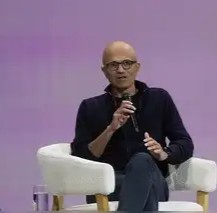
In a recent meeting with Narendra Modi, Prime Minister of India, Satya Nadella — CEO of Microsoft — revealed that the company will invest US$ 17.5 billion in India over the next four years (2026–2029).
Nadella described the investment as Microsoft’s largest ever in Asia, aimed at supporting India’s AI-driven aspirations by strengthening infrastructure, enhancing digital skills, and building “sovereign capabilities.”
According to Microsoft, this new commitment supplements an earlier US$ 3 billion pledge announced in January 2025 for cloud and AI expansion in the country.
Strategic Pillars: Infrastructure, Sovereignty & Skilling
Cloud & Data Centre Expansion
The investment will fuel expansion of cloud infrastructure across India, including establishment of new data-centre regions and scaling up the company’s hyperscale presence. This is especially relevant as demand surges for high-capacity computing to support AI workloads.
Microsoft notes that with this expansion, it aims to become one of the largest cloud-infrastructure providers in India.
Sovereign Cloud & Data Governance
Beyond public cloud deployments, Microsoft plans to offer sovereign cloud solutions tailored for Indian organisations — combining compliance, data-governance frameworks, and secure architecture to meet regional regulatory and data-sovereignty needs.
This step aligns with the broader push for “data-localization” and controlled AI infrastructure, reducing dependence on overseas data flows.
Skilling & AI-Ready Workforce
Recognizing that infrastructure alone isn’t enough, Microsoft’s plan includes robust investment in human capital — offering AI/cloud-related skilling initiatives. The company’s earlier $3 billion commitment aimed to skill millions of Indians by 2030; the new funding is expected to support and expand those efforts.
This upskilling push could provide a major boost to start-ups, enterprises, academia and public-sector bodies seeking to adopt AI, machine learning, and cloud-native services.
Strategic Importance: India as Global AI & Digital Hub
India’s vast digital population, growing tech workforce, and strategic policy support make it an attractive destination for global technology investment.
Microsoft’s commitment signals confidence in India’s long-term digital growth trajectory. As noted by industry observers, the investment — larger than many previous global commitments — positions India as a key node in the global AI ecosystem.
Moreover, the funding infusion is likely to spur competition among global tech firms, potentially accelerating infrastructure, AI-service availability, and adoption of emerging technologies across India’s economy.
What Lies Ahead: Opportunities and Expectations
- Accelerated AI Adoption: With enhanced cloud and AI infrastructure, enterprises — from large corporations to SMEs — may find it easier to adopt AI-powered solutions, driving innovation and automation across sectors.
- Job Creation & Skill Development: The planned skilling initiatives can open pathways for millions of Indians to acquire AI and cloud-related competencies, boosting employability and entrepreneurship.
- Digital Sovereignty & Compliance: Sovereign cloud offerings may encourage sensitive enterprises and government bodies to shift workloads to secure, localized infrastructure — balancing innovation and data protection.
- Tech Ecosystem Growth: Start-ups, academia, and R&D centres may benefit from improved infrastructure, fostering growth in AI research, product development, and digital services.
Broader Context: A Turning Point in India’s Tech Transformation
This massive investment from Microsoft arrives at a critical juncture — as India charts its course toward a digitally empowered future. With supportive government policies, rising demand for cloud and AI services, and a growing developer workforce, the stage is set for deep structural transformation across industries.
Microsoft’s US$ 17.5 billion commitment is likely to be viewed not just as a corporate bet, but as a catalyst for India’s evolution into a global AI powerhouse — shaping how businesses, governance, and citizens engage with digital technologies for years to come.
Source : economictimesGPT