Introduction: A New Phase in AI Innovation
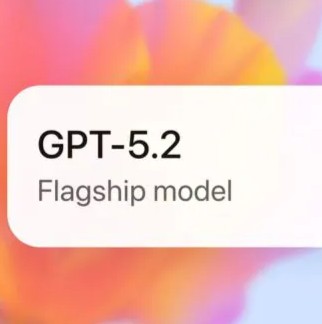
On December 11, 2025, OpenAI announced the global release of GPT-5.2, positioning it as its most capable generative AI model yet — especially for professional and enterprise contexts. This launch represents a rapid progression from its previous version and is widely seen as a strategic move to maintain technological leadership amid a highly competitive AI environment.
What Is GPT-5.2? Understanding the Upgrade
GPT-5.2 builds on the foundation laid by the GPT-5 architecture, which already featured advanced reasoning, dynamic task routing, and broad multimodal input handling. The latest update sharpens core capabilities for workplace AI performance — including coding proficiency, complex reasoning, long-context reading, and professional task execution across a broad set of domains.
The model is released in three tiers tailored to different user needs:
- Instant: Optimized for quick responses and everyday tasks.
- Thinking: Designed for detailed logic, structured workflows and professional reasoning.
- Pro: Offers the highest fidelity for complex, technical, and enterprise-oriented challenges.
Performance That Rivals Professionals
GPT-5.2 has made headlines for its performance on large-scale evaluations. According to official benchmark results, the Thinking variant of GPT-5.2 matched or exceeded human professional performance on approximately 70 % of tasks spanning 44 real-world occupations — a substantial improvement over earlier models. These include financial modelling, design tasks, operations planning, and analytical workflows.
In addition to task performance, GPT-5.2 demonstrates notable enhancements in technical benchmarks such as coding evaluations, debugging, and full-cycle software development scenarios. Users report that it handles extensive document comprehension — processing extensive text datasets without losing relevant information — and performs multi-step workflows with greater accuracy and fewer errors.
Multimodal Intelligence and Vision Tasks
Beyond text and code, GPT-5.2 also exhibits stronger capabilities in vision and multimodal reasoning. The model can interpret charts, dashboards, technical diagrams, and screenshots more reliably than before. This deeper understanding of visual context further expands its utility for professional scenarios — such as data analysis, reporting, and cross-modal insight generation.
“Code Red”: The Push Behind the Launch
The release of GPT-5.2 followed an internal initiative reportedly dubbed “code red,” in which OpenAI redirected development focus to accelerate improvement and address competitive pressure from rival AI systems — most notably Google’s Gemini 3 model series. This swift development cycle underscores a broader AI arms race where speed, reliability, and capability are key differentiators in the rapidly evolving landscape.
Enterprise Adoption and Productivity Gains
OpenAI and enterprise customers have highlighted GPT-based tools as transformative for workplace efficiency. Studies and internal reports suggest that knowledge workers leveraging advanced AI systems like GPT can save significant time on routine tasks — often between 40-60 minutes per day — by automating and accelerating workflows like summarisation, data collation, and content generation.
By improving productivity, GPT-5.2 aims to further integrate AI into daily enterprise operations while reducing the cost and time associated with complex professional tasks. Its deployment across platforms through API access and paid subscription tiers underscores continued focus on commercial application and real-world usage.
Looking Ahead: Trends in AI and Competitive Dynamics
The introduction of GPT-5.2 takes place against a backdrop of accelerating innovation and intense competition in generative AI. With improvements in reasoning, code generation, multimodal processing, and extensive workflow support, GPT-5.2 aligns with broader industry trends toward AI-driven productivity, automation, and augmented professional capabilities. Analysts note that such advancements help shape how organisations adopt AI, emphasising reliable performance, contextual depth, and integration with operational tools.
As the AI sector continues to evolve, ongoing innovation from multiple developers drives forward not just model performance but also the practical frameworks that shape how individuals and businesses harness next-generation AI.
Source : indianexpressGPT