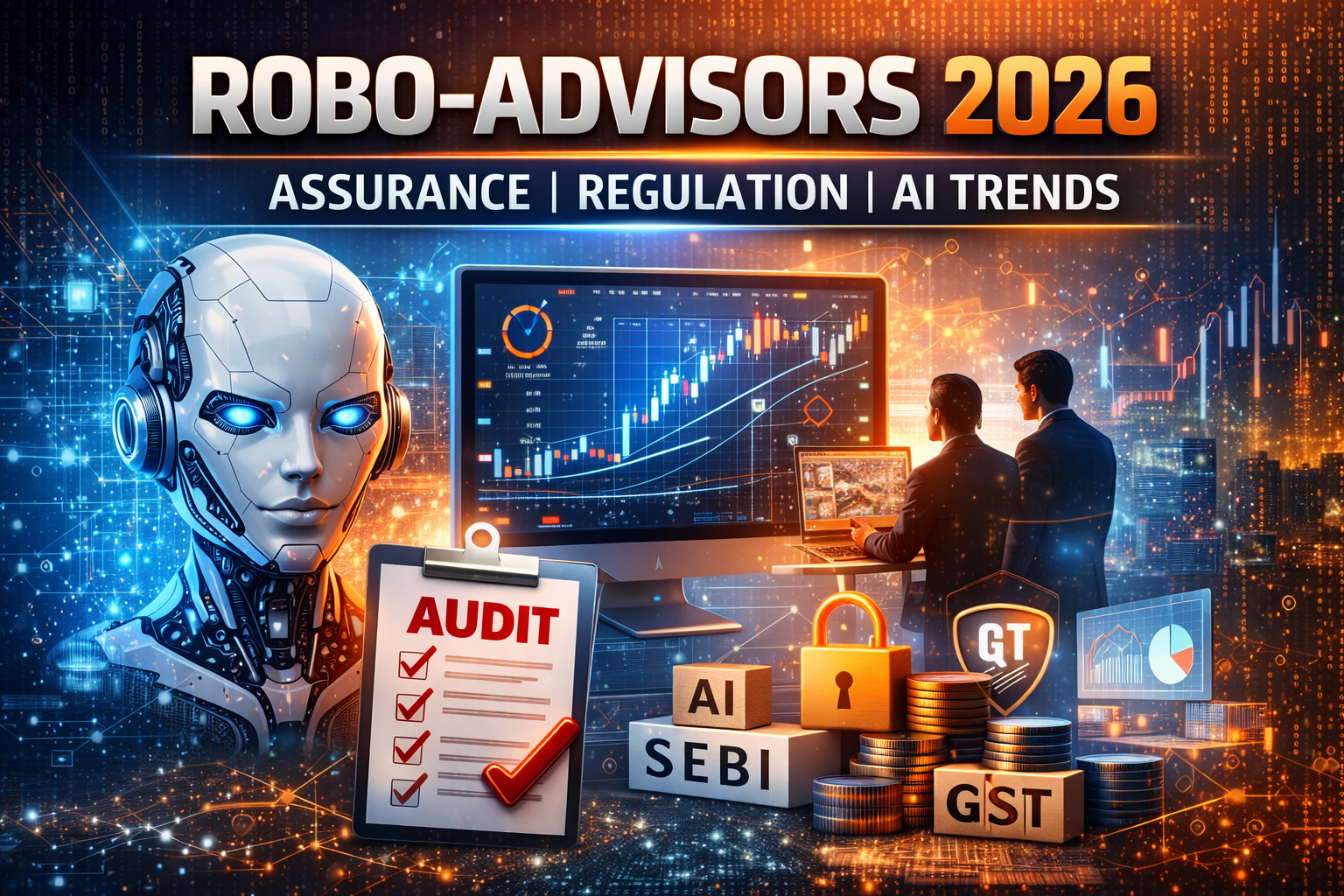
The Rise of Robo-Advisory in 2026: A Digital Transformation Story
Robo-advisors — automated platforms that offer investment advice and portfolio management using AI-driven algorithms — are rapidly gaining preference among investors seeking cost-efficient, data-backed financial planning solutions. Originating as niche fintech innovations, these platforms are now deeply embedded within mainstream financial services due to their scalability, personalization and accessibility
In India, the proliferation of robo-advisors is notable among younger demographics, particularly investors aged 20-40, reflecting strong digital adoption trends. Yet, the rapid growth also brings regulatory, operational and compliance challenges, which require a comprehensive professional framework for audit and assurance.
Comprehensive Assurance and Compliance: The RAAM Framework
The Robo-Advisory Assurance Model (RAAM), as presented by ICAI experts, establishes a risk-based methodology for audits across four key dimensions:
- Algorithm Validation and Model Governance — Ensuring models driving investment strategy are robust, transparent and compliant with the latest SEBI guidelines.
- Cybersecurity and Data Privacy Controls — Given AI systems’ reliance on large-scale data processing, cybersecurity risk assessments and secure data governance are essential.
- Tax and Regulatory Compliance — Integration of GST, TDS and other tax considerations requires precise accounting and verification.
- Investor Protection and Risk Reporting — Auditors must evaluate automated workflows for suitability testing, disclosures and client classification.
This structured assurance model equips Chartered Accountants with tools, checklists and professional insights to audit algorithmic decision-making, reinforce data integrity and uphold investor trust.
Regulatory Momentum: SEBI, RBI and Tax Impacts
Important regulatory developments are shaping the robo-advisory landscape:
- The Securities and Exchange Board of India (SEBI) introduced amendments clarifying algorithmic recommendation responsibilities and advisor qualifications.
- The Reserve Bank of India (RBI) updated KYC Master Directions that impact digital onboarding systems.
- Fresh guidelines from CBDT and GST authorities influence digital financial receipts, data retention standards and tax liabilities.
These policy moves indicate a global regulatory shift toward accountable, transparent AI-based financial services. Experts highlight that this convergence of regulation and technology is critical for maintaining investor confidence and minimizing systemic risks.
Global AI Trends Reinforcing FinTech Evolution in 2026
Beyond the Indian context, 2026 is witnessing broad AI innovation cycles that enhance the relevance of robo-advisors and similar automated systems worldwide.
1. AI Agents and Intelligent Workflows
AI agents — systems capable of understanding goals, executing multi-step plans, and integrating into business workflows — are reshaping professional productivity, security operations, and customer experience. Microsoft’s strategic push into AI agents reflects their emerging role in enterprise environments.
2. From Hype to Practical Deployment
AI’s trajectory in 2026 is less about speculative hype and more about pragmatic use cases. Industry analysts predict that AI ecosystems will emphasize real-world value, moving beyond theoretical capabilities to meaningful business impact.
3. Talent and Human-Centric Skills
Despite automation, experts note that certain human skills — moral judgment, empathy, creativity and strategic thinking — remain irreplaceable, reinforcing the role of professionals alongside automated systems.
4. Physical AI and Specialized Applications
From robotics showcased at events like CES 2026 to AI systems that assist with health and home management, artificial intelligence is expanding across domains, illustrating its versatility from financial services to physical tasks.
Strategic Importance of Explainable and Trustworthy AI
A critical dimension of emerging AI is explainability — the ability to interpret automated decisions. Researchers emphasize that trustworthy AI requires transparent, interpretable models, especially where algorithms influence financial recommendations and risk assessments. Explainable AI ensures auditors and regulators can validate decision logic behind automated advice.
This is particularly relevant for robo-advisors, where clients and auditors alike must trust both the accuracy of results and the ethical use of customer data.
Conclusion: Charting the Future of AI-Driven Financial Services
As AI technologies — including robo-advisors — evolve rapidly in 2026, their integration with financial services marks a new era of automated, scalable, and data-driven investment advisory. The ICAI’s RAAM framework heralds a structured assurance and compliance approach, while global AI trends underscore the expanding role of intelligent systems in work, governance, and everyday life.
With regulatory frameworks strengthening, AI becoming more explainable and professionals augmenting human expertise with machine intelligence, the robo-advisory story is not just about technological disruption — it’s about building trusted, transparent and resilient financial ecosystems for the future.
Source :ICAIGPT.