AI’s Healthcare Frontier: A New Phase of Innovation
Artificial intelligence has moved beyond generic assistance and productivity enhancements to become a pivotal element in healthcare transformation. AI-driven applications are now deeply embedded in medical workflows, patient engagement tools, and health record analysis systems—reshaping how clinicians, insurers, and patients interact with complex medical data. Long considered a promising future direction, AI for healthcare is rapidly becoming a current reality.
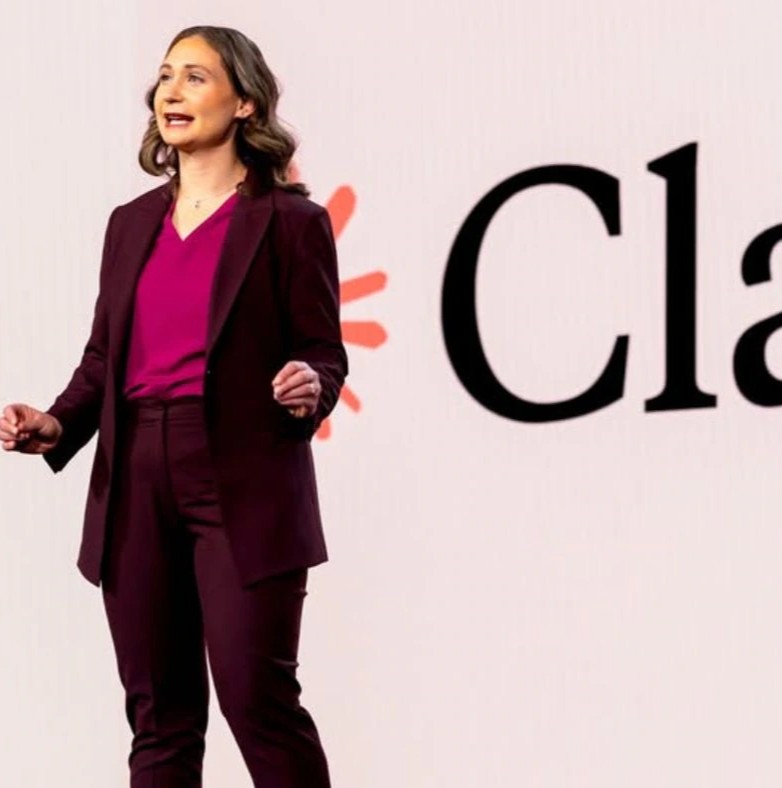
In January 2026, Anthropic announced Claude for Healthcare, a suite of tailored artificial-intelligence tools built to support medical professionals and patients alike. This offering underscores how health tech has become one of the most competitive arenas in the AI landscape.
Anthropic’s Vision: Claude for Healthcare Explained
Claude for Healthcare represents Anthropic’s strategic expansion into the health and life sciences sector. Leveraging the enhanced capabilities of Claude Opus 4.5, this suite enables deep analysis of clinical data, speeds up routine healthcare workflows, and aids complex tasks such as prior authorisation processing, patient triage management, and medical claims handling.
The system is designed to work with certified health technology platforms through connectors, which act as secure bridges between Claude and external medical data sources. For example, partnerships with services like HealthEx allow patients to consolidate medical records from tens of thousands of health systems, giving Claude contextual access to answer health queries more effectively.
Additional integrations include support for scheduling and interpreting lab tests via Function Health, as well as linkage with Apple Health and Android Health Connect, enabling broader access to personal wellness data without using that data for AI training.
Strategic Competition: Anthropic vs OpenAI in Healthcare
Anthropic’s announcement comes just days after rival OpenAI rolled out ChatGPT for Health, a specialised environment within the ChatGPT ecosystem aimed at securely connecting user medical records and wellness apps. Both moves illustrate an intensifying AI healthcare arms race, where industry leaders are pivoting from general-purpose engines toward domain-specific, high-value solutions.
Where OpenAI’s initiative focuses on personalised access to health insights and record management through partnerships like b.well, Anthropic’s Claude for Healthcare emphasises tools that can assist providers, insurers, and enterprise platforms with operational efficiency and advanced clinical data interpretation.
Opportunities and Challenges in AI-Powered Healthcare
The expansion of AI tools into healthcare carries immense potential for improved efficiency, patient engagement, and reduced clinician workload. For instance, AI solutions can help synthesise large volumes of clinical data, generate detailed reports, and support administrative functions that traditionally consume significant time.
Yet the fast evolution of these systems also brings critical concerns. Data privacy, model accuracy, and the risk of hallucinations—where AI generates plausible but incorrect information—remain central issues. Instances of outdated or misleading health advice in some AI tools have underscored the need for rigorous safety checks and human oversight.
Healthcare regulators and technology experts alike agree that while AI can accelerate insights and operational efficiencies, it must be deployed with strict safeguards to avoid compromising patient safety or breaching sensitive medical data protocols.
Source: indianexpressGPT.