AI Video Generation in 2026: A Transformative Year for Creativity
As artificial intelligence reshapes content creation, AI video generators are becoming central to digital storytelling and visual production workflows. In 2026, text-to-video and image-to-video tools are accelerating beyond novelty into mainstream tools that reduce production costs and time, enabling creators, marketers, educators, and businesses to generate high-quality video content with minimal technical barriers.
Industry reports highlight that AI video generation — from semantic audio integration to adaptive storytelling mechanics — is redefining how narratives are produced and distributed across platforms. These innovations not only increase operational efficiency but also empower personalization at scale, fueling the explosion of AI-driven short and long-form content.
What’s New in Veo 3.1: Vertical Video and Enhanced Prompt Power
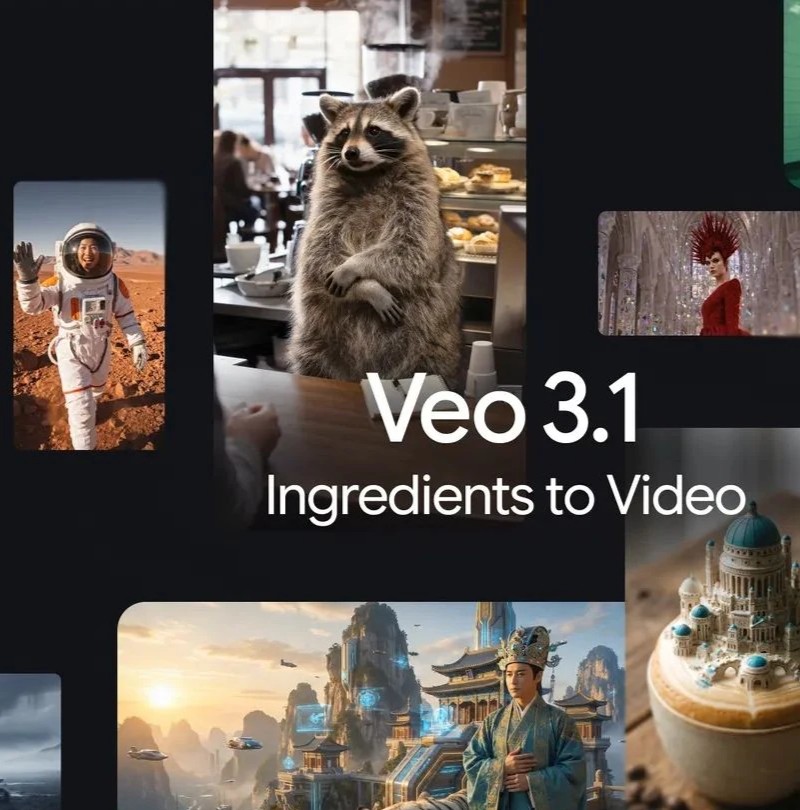
Veo 3.1, the newest upgrade to one of the leading AI video generation models, introduces several key improvements designed to meet modern creator needs:
- Native Vertical Video Support (9:16)
- With built-in vertical aspect ratio generation, Veo 3.1 caters directly to mobile-first formats such as Shorts, TikTok, and Reels without manual cropping or editing. This ensures creators produce ready-to-publish content tailor-made for social distribution.
- Improved “Ingredients to Video” Creativity Tools
- The model now better synthesizes dynamic stories from multiple reference images — enabling consistent characters, backgrounds, and textures across scenes. This refinement enhances narrative coherence and creative control.
- Upscaling to 1080p and 4K Resolution
- While base outputs remain around HD quality, Veo 3.1 supports upscaling to 1080p and 4K for sharper visuals and richer textures, broadening its appeal from social clips to large-screen presentations.
These innovations signify a leap forward in generative AI’s ability to create compelling video assets with precision and artistic nuance.
Creative Control and Ethical Transparency
Beyond functionality, AI video generation tools in 2026 are integrating features to address authenticity and responsible use. Veo 3.1 videos include digital SynthID watermarks — markers that help viewers and platforms identify synthetic content, promoting transparency and trust in AI-generated media.
At the same time, enhanced prompt responsiveness and scene control improve creative output while reducing errors like mismatched characters or inconsistent environments — long-standing challenges in generative AI workflows.
Veo 3.1 in the Broader AI Video Ecosystem
Veo 3.1 arrives amidst a wider surge of AI video innovation. Across platforms and industries, generative models are being integrated into flexible pipelines — from automated storyboarding to real-time editing and interactive audiovisual synthesis.
Trend analyses show that 2026 will emphasize not just raw generative capability but also seamless customization, semantic audio generation, and enterprise-grade storytelling features. These advancements are enabling creators to unleash their ideas faster and with higher production value than ever before.
Looking Ahead: AI Video as a Creative Mainstay
As AI video creation matures, the technology is expected to peel away traditional production constraints — from script to screen — fostering greater experimentation, accessibility, and scalability. With models like Veo 3.1 pushing creative boundaries and industry benchmarks alike, AI video generation is quickly evolving from experimental novelty into a core component of digital communication, marketing, education, and entertainment frameworks worldwide.
Source: indianexpressGPT.